Top Home Repair Tips for a Comfortable Living Space
Creating a comfortable living space often requires a bit of elbow grease and some handy skills. Whether you're a seasoned DIY enthusiast or a novice looking to tackle your first home repair project, knowing where to start can make all the difference. In this post, we will explore essential home repair tips that can help you maintain and improve your living environment, ensuring it remains a cozy haven for you and your family.
Understanding the Basics of Home Repair
Before diving into specific repairs, it's crucial to understand the fundamentals of home maintenance. Regular upkeep not only enhances the aesthetic appeal of your home but also prevents larger issues down the line. Here are some basic principles to keep in mind:
Regular Inspections: Schedule routine checks for plumbing, electrical systems, and structural integrity. Catching problems early can save you time and money.
Prioritize Safety: Always wear protective gear when undertaking repairs. Safety goggles, gloves, and masks can prevent injuries.
Know Your Limits: Some repairs require professional help. If a task seems too complex or dangerous, don’t hesitate to call in an expert.
Essential Tools for Home Repairs
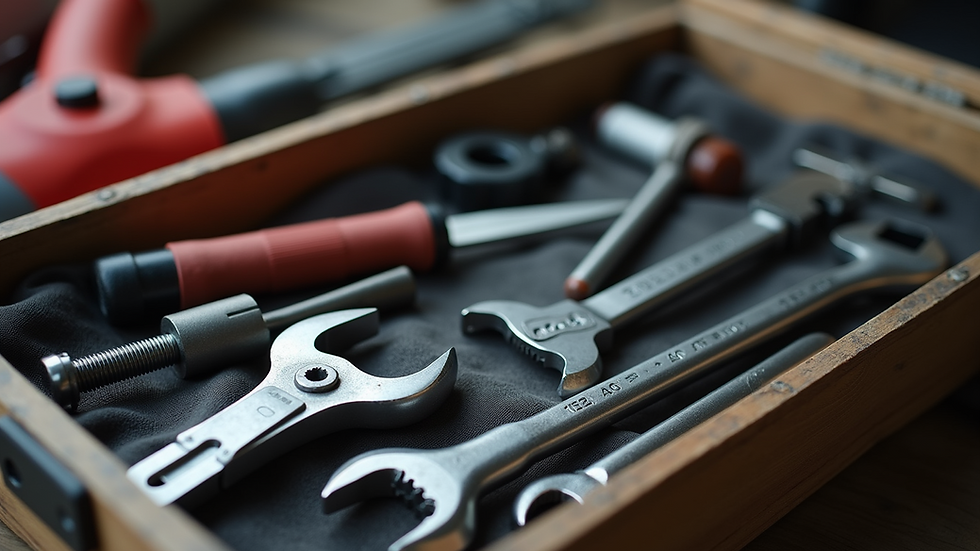
Having the right tools can make any repair job easier. Here’s a list of essential tools every homeowner should have:
Screwdrivers: Both flathead and Phillips screwdrivers are necessary for various tasks.
Hammer: A good hammer is essential for hanging pictures or assembling furniture.
Wrenches: Adjustable wrenches can help with plumbing repairs.
Tape Measure: Accurate measurements are crucial for any DIY project.
Utility Knife: Useful for cutting materials like drywall or carpet.
Common Home Repairs and How to Tackle Them
Fixing Leaky Faucets
A dripping faucet can waste a significant amount of water over time. Here’s how to fix it:
Turn Off the Water Supply: Locate the shut-off valves under the sink and turn them off.
Disassemble the Faucet: Use a screwdriver to remove the handle and expose the inner workings.
Replace the Washer: The washer is often the culprit. Replace it with a new one and reassemble the faucet.
Test for Leaks: Turn the water supply back on and check for any leaks.
Patching Drywall Holes
Holes in your drywall can be unsightly. Here’s a simple method to patch them:
Clean the Area: Remove any loose debris around the hole.
Apply Spackle: Use a putty knife to apply spackle over the hole, smoothing it out.
Sand the Area: Once dry, sand the patched area until smooth.
Paint: Touch up with paint to match the surrounding wall.
Replacing Light Fixtures
Updating light fixtures can dramatically change the ambiance of a room. Follow these steps:
Turn Off the Power: Ensure the power is off at the circuit breaker.
Remove the Old Fixture: Unscrew the old fixture and disconnect the wires.
Connect the New Fixture: Match the wires (black to black, white to white) and secure them with wire nuts.
Install the Fixture: Attach the new fixture to the ceiling and turn the power back on.
Seasonal Home Maintenance Tips
Maintaining your home is an ongoing process that varies with the seasons. Here are some seasonal tips to keep your home in top shape:
Spring Maintenance
Inspect the Roof: Look for missing shingles or signs of wear.
Clean Gutters: Remove debris to prevent water damage.
Check for Pests: Look for signs of insects or rodents and take action if necessary.
Summer Maintenance
Service the Air Conditioner: Clean or replace filters to ensure efficiency.
Inspect Windows and Doors: Check for drafts and reseal if needed.
Maintain the Lawn: Regular mowing and watering keep your yard looking its best.
Fall Maintenance
Prepare for Winter: Insulate pipes and check heating systems.
Clean Chimneys: If you have a fireplace, ensure it’s clean and safe to use.
Store Outdoor Furniture: Protect your patio furniture from the elements.
Winter Maintenance
Check for Ice Dams: Ensure gutters are clear to prevent ice buildup.
Inspect Heating Systems: Schedule a professional check-up for your furnace.
Monitor Indoor Humidity: Use a humidifier to maintain comfort levels.
Energy Efficiency Improvements
Improving your home’s energy efficiency not only reduces utility bills but also contributes to a more comfortable living environment. Here are some tips:
Seal Drafts: Use weather stripping around doors and windows to prevent heat loss.
Upgrade Insulation: Proper insulation in attics and walls can significantly improve energy efficiency.
Install Energy-Efficient Appliances: Look for ENERGY STAR-rated appliances to save on energy costs.
When to Call a Professional
While many repairs can be handled by homeowners, some situations require professional expertise. Here are a few scenarios where it’s best to call in a pro:
Electrical Issues: If you’re experiencing frequent power outages or flickering lights, it’s time to consult an electrician.
Major Plumbing Problems: Clogs or leaks that persist despite your efforts may need a plumber’s attention.
Structural Concerns: If you notice cracks in your foundation or walls, a structural engineer should assess the situation.
Conclusion
Maintaining a comfortable living space requires a proactive approach to home repairs and maintenance. By understanding the basics, having the right tools, and knowing when to tackle repairs yourself or call a professional, you can create a home that is not only beautiful but also functional and safe. Remember, regular upkeep is key to preventing larger issues down the line. So roll up your sleeves, grab your tools, and start making those repairs today!


Comments